









For some children everyday sensations such as sights, sounds, touch, smells, tastes and movement can feel like they are coming too fast, too hard, too loud and too intensely for their nervous system to handle. Known as sensory over-responders, these children often have stronger than typical reactions to sensory input. For example, they may get very upset if someone accidentally bumps into them, or they are startled by a door closing nearby. Here are some of our occupational therapists’ strategies to help neutralize these extreme responses to sensory information.
1. Deep Pressure and Hugs
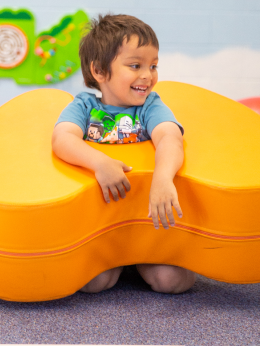
Kids who are overly sensitive to sensory stimuli often respond well to proprioceptive input. The deep pressure to their joints and muscles releases feel-good hormones. You can assist your child by giving them a tight hug or a massage. The 2-in-1 Textured Foam Roller is great for adjusting the amount of pressure your child desires. If your child wants or is able to self-regulate, then they can wear a Bear Hug Hoodie or a Weighted Compression Vest™. For more active forms of deep pressure, they can crawl through a Crawl and Calm Resistance Tunnel or pull the fabric of a Space Explorer tightly around themselves.


2. Move Your Body
Exercise helps regulate the nervous system, so that kids can better manage sensory stress and anxiety. Over time, regular exercise reduces the reactivity of the sympathetic nervous system and gives your child the ability to pause before reacting. Add several movement breaks throughout your child’s day. Keep a Bounce Board at home; vary the intensity of jumping for more of an impact. Climbing on a set of Honeycomb Climbing Panels stretches and strengthens. You can incorporate many types of movement into an obstacle course for a longer activity. Taking walks is also a wonderful way to combine activity with the benefits of fresh air.


3. Change the Environment
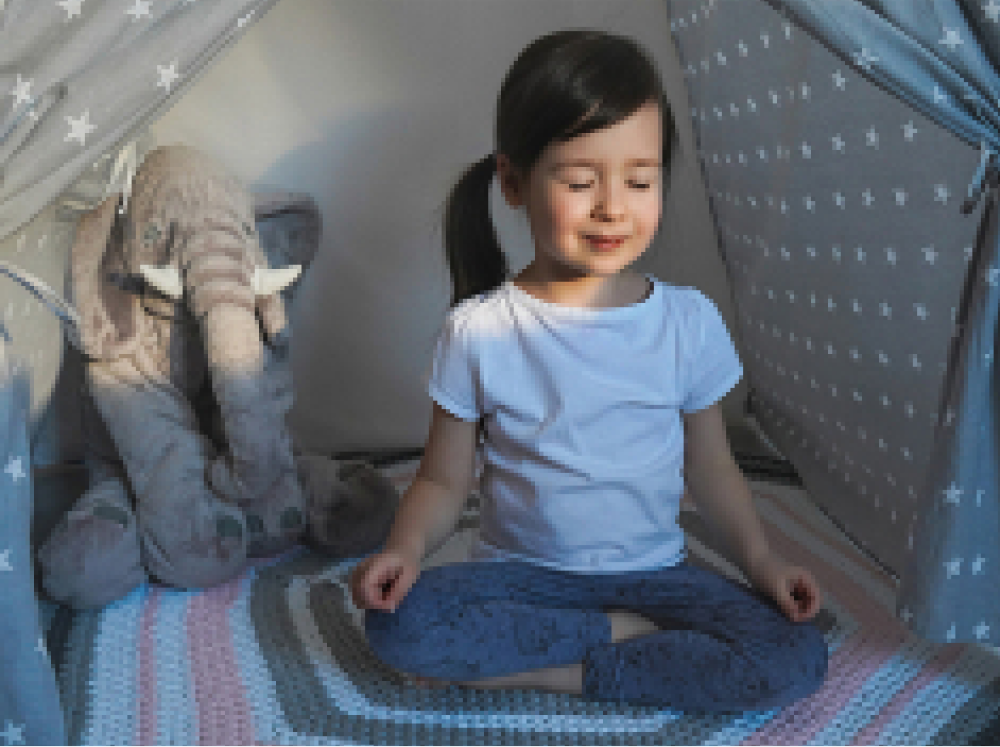
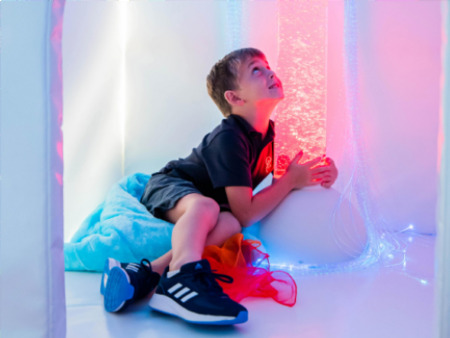
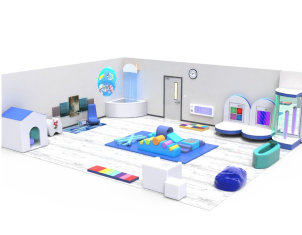
The environment your child is in has an effect on their sensory wellbeing. An overstimulating environment can set off a series of reactions. When altering your child’s surrounding space, make sure to look at all the factors. Paint the walls a soothing neutral color. Consider using light filters if there is overhead lighting, or introduce fiber optic lights and bubble tubes. The gently floating bubbles and color-shifting lights can provide calming visual stimulation. If your home tends to be a busy place, consider creating a sensory retreat for your child somewhere in the house. This can be as simple as a pair of Noise Reduction Headphones and a weighted lap pad in a quiet room, or a designated sensory corner with soothing elements.


4. Music and Rhythm
Music, in particular classical music and the soothing sounds in nature, can have a dramatic effect on the nervous system. Our Music Touch Wall has a variety of settings so that kids can choose the volume, type of sound and rhythm that they hear while interacting with the panel. Play music softly in the background to help your child acclimate to the sound. Studies have shown that using a metronome set between 60-72 beats per minute can have an organizing and soothing effect. The gentle rhythmic reminder mimics the heartbeat and helps increase attention and focus.

5. Explore Textures
Our skin is filled with millions of receptors that react to tactile sensations. Explore different textures to find ones that feel calming, such as repetitively running your fingers over soft materials. Many kids prefer clothing that does not have seams or tags. Compression clothes are another great option to help children feel secure. Give your child a Sensory Bin Kit to expose them to many textures in a fun and engaging way. You can expand this and practice emotional awareness skills by discussing how each texture made your child feel.


6. Limit Surprises
Kids who are sensory over-responders usually need extra support for transitions and in new environments. Reading social stories can be a great way to familiarize your child with what to expect. Having a designated comfort object can help smooth transitions, too, providing a sense of security amid the changes. Introduce visual schedules so that your child can see what is coming up. Make sure to build in ample time for sensory breaks and transitions to avoid a meltdown if your child feels rushed.

With the help of these strategies you can create a supportive safe space for sensory over-responders to regulate and recharge. Understanding what your kids need is the first step toward empowering them to find and use the right tools for their sensory needs.
Explore our range of calming tools for ideas to help your sensory over-responder.


Comments